Concussion Recovery: When Cardio Is Safe (And When It Isn't)
The Buffalo Treadmill Test, symptom thresholds, and a graded return-to-activity plan we use with student-athletes and adults.
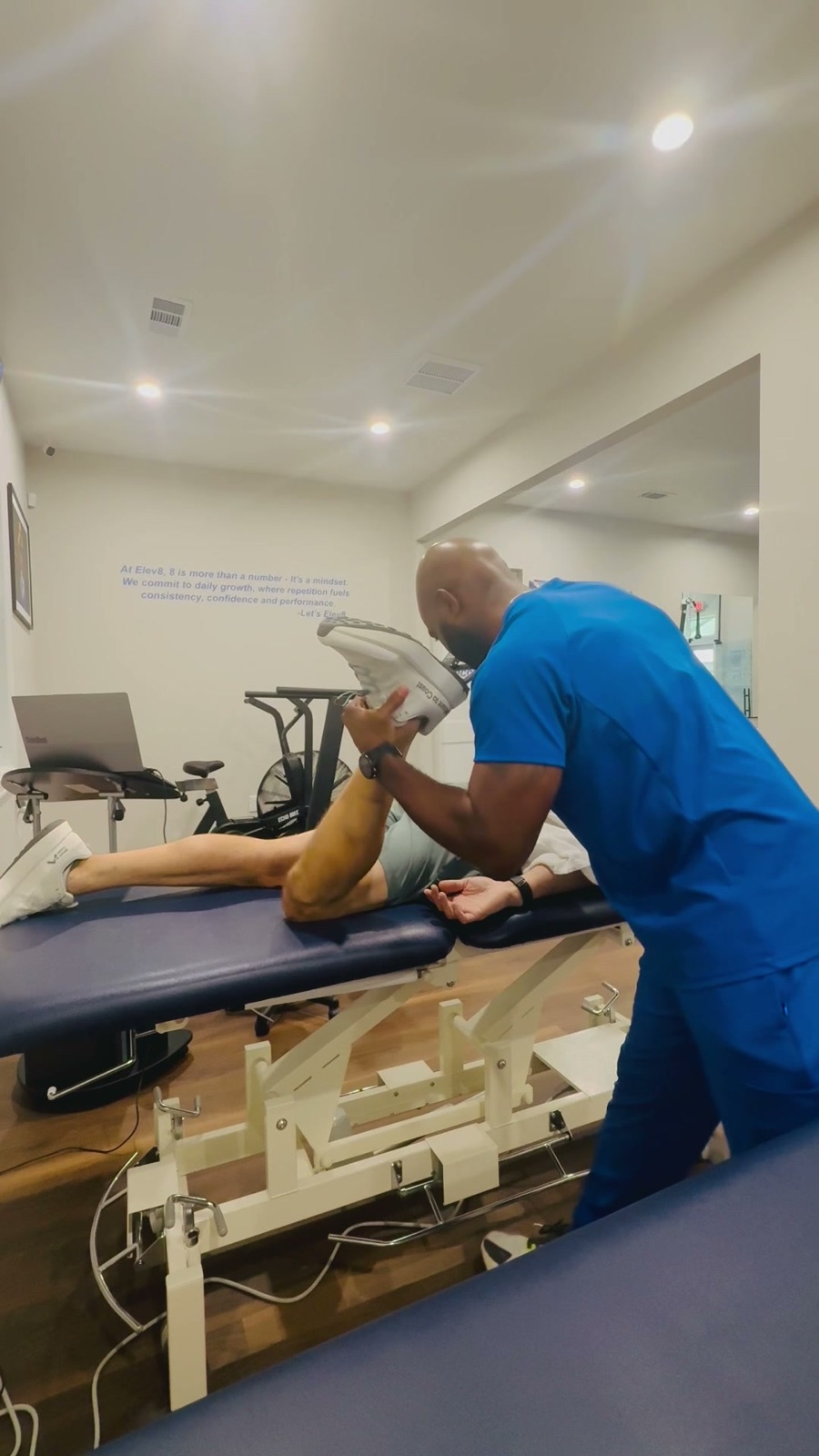
The old advice for concussion recovery was strict rest — dark room, no screens, no exertion until symptoms fully resolved. The evidence has shifted significantly over the past decade, and that approach is now considered counterproductive in most cases. Controlled aerobic activity, introduced correctly and at the right intensity, **accelerates** concussion recovery and reduces the risk of prolonged symptoms.
This matters because concussions are common, recovery is often mismanaged, and getting it wrong has real consequences — both for the brain and for an athlete's season.
The shift in the evidence The 2017 and 2023 Berlin Concussion in Sport consensus statements both moved away from prolonged rest. Multiple randomized controlled trials (Leddy et al., 2019; Willer et al., 2019) have shown that sub-symptom-threshold aerobic exercise — exercise performed below the heart rate that triggers symptoms — shortens recovery time compared to rest alone.
The mechanism appears to be related to cerebral blood flow regulation and autonomic nervous system recovery. Concussion disrupts the brain's ability to regulate blood flow in response to exertion. Sub-threshold exercise re-trains that regulation in the same way exposure therapy works for other recovery patterns.
The Buffalo Concussion Treadmill Test The standard tool we use to determine safe exercise intensity is the Buffalo Concussion Treadmill Test (BCTT). It's a graded treadmill protocol developed at the University of Buffalo specifically to find a concussed patient's symptom threshold.
How it works:
1. **Baseline assessment** — resting heart rate, blood pressure, current symptom score (typically the Post-Concussion Symptom Scale).
2. **Graded treadmill walk** at constant speed (typically 3.2-3.6 mph) with incline increasing 1% every minute.
3. **Symptom monitoring** every minute — pre-test symptom score is the reference. Test is stopped when:
- Symptoms increase by ≥3 points on a 10-point scale, OR
- Patient reaches voluntary exhaustion, OR
- Maximum heart rate is reached.
4. **Threshold heart rate** is the heart rate recorded the moment symptoms exceeded threshold (or VO2 max if no symptoms occurred).
The test typically lasts 10-20 minutes. We retest every 1-2 weeks during recovery to update the prescription.
The exercise prescription Once we have the symptom threshold heart rate, we prescribe aerobic exercise at **80-90% of that threshold**, 20 minutes a day, 6 days a week. Stationary bike, treadmill walk, elliptical — anything that holds a steady heart rate without head impact or fall risk.
Example: an athlete's symptom threshold during BCTT is 145 bpm. Prescription is 20 minutes at 116-130 bpm daily.
What we tell patients:
- **Symptoms during exercise** above their pre-exercise baseline mean stop, rest, and resume tomorrow at lower intensity.
- **Symptoms that return after exercise** within 6 hours mean we were too aggressive — reduce intensity 10% and retest in 3 days.
- **No headache, no nausea, no dizziness during** = green light to maintain or slowly progress.
Most patients can progress their prescribed heart rate by 5-10 bpm per week as the threshold improves.
Return-to-activity progression The current consensus return-to-sport protocol moves through six phases, with each phase lasting at least 24 hours and requiring no symptom return before progressing:
- **Symptom-limited daily activity** — light cognitive and physical activity that doesn't worsen symptoms.
- **Light aerobic exercise** — the Buffalo prescription above.
- **Sport-specific exercise** — running drills, skating, no head impact risk.
- **Non-contact training drills** — passing drills, position-specific work, no contact.
- **Full contact practice** — requires medical clearance. Normal training intensity.
- **Return to play** — game competition.
Total time through the protocol: typically 7-14 days for an uncomplicated concussion if no setbacks occur. Setbacks (symptom return) require regression to the previous phase for at least 24 hours, then re-progression.
Where most plans go wrong The most common mistakes we see:
- **Skipping the BCTT** and guessing at intensity. We've had athletes show up after 3 weeks of "rest" with worse autonomic dysfunction than they had week 1 — they needed exercise, not more couch time.
- **Progressing on a calendar, not symptoms**. Day-7 of the standard protocol means nothing if the patient is still failing the BCTT. The protocol clock resets every time symptoms return.
- **Returning to school/work too aggressively** without managing cognitive load. Mental exertion can be as provocative as physical exertion. We coordinate with teachers and employers when needed.
- **Treating headache, sleep, and mood symptoms as inevitable** instead of addressable. Vestibular therapy, cervical spine work, and sleep hygiene protocols each address common post-concussion symptoms directly.
When to seek help and when to keep moving Almost all concussions resolve within 14-28 days with the right management. Signs that warrant escalating care:
- Symptoms worsening (not just persisting) after the first 72 hours.
- New neurological symptoms (vision changes, balance issues, slurred speech).
- Repeated vomiting, seizure, loss of consciousness >30 seconds.
- Symptoms persisting past 4 weeks (post-concussion syndrome).
For everything else — the dull headache, the cognitive fog, the mild dizziness — the answer isn't more rest. It's the right amount of the right kind of activity, monitored against an objective threshold.
If you or your athlete is more than 72 hours post-concussion and still resting in a dark room, you're probably making the recovery longer than it needs to be. The brain wants to be challenged at the right dose. Our job is to find that dose and update it weekly until you're back to full activity.
Ready to talk through your situation?
Dr. Ken sees patients one-on-one in Katy, TX — plus virtual and select in-home visits. Cash-pay, no referral required.