Why Your Low Back Pain Isn't Actually a Back Problem
Hip mobility, glute timing, and breathing patterns drive most "back" pain we see. The case for treating the cause, not the symptom.
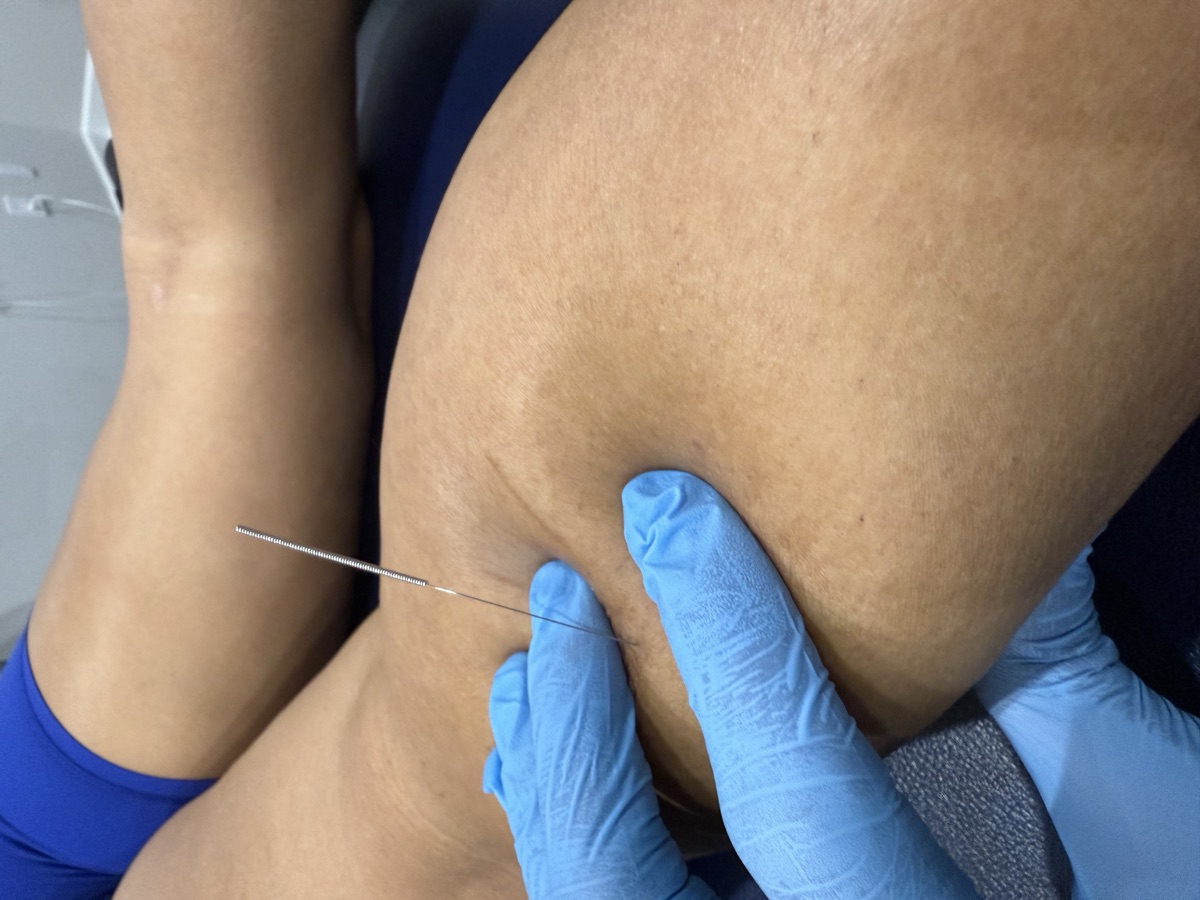
When a patient walks into Elev8 pointing at their lumbar spine, the temptation is to treat the spot that hurts — ice, heat, manual work on the painful tissue, stretches for the lower back. That approach makes everyone feel like something is happening. But it almost never resolves the root cause, because most "back" pain isn't a back problem. It's a hip, breathing, or motor-control problem dumping its load into a spine that doesn't know how to refuse.
Here's how we think about it.
The lumbar spine has one job and doesn't do it well alone The lumbar spine is built for **stability**, not mobility. Each segment can only rotate about 2 degrees — total lumbar rotation tops out near 13 degrees. Compare that to the thoracic spine (35-40 degrees) or the hips (40-50 degrees per side). Your low back is the keel of a ship: it keeps things steady while the rest of the body moves around it.
When the structures that *should* move (hips, thoracic spine, ankles) don't move well, the body still finds a way to get the job done. It borrows movement from the keel. And the keel — the lumbar spine — was never designed to absorb that load. Over time, it complains.
The hip story Most adults with desk jobs walk into our clinic with hip flexor tightness, weak glute medius, and limited hip internal rotation. When the hips can't rotate, every rotational demand of daily life (reaching, twisting, getting out of a car, golf, tennis, picking up a kid) gets dumped into the lumbar spine. Multiply that by a few thousand reps a week and the back starts to feel it.
What we test:
- **Thomas test** for hip flexor length.
- **Hip internal rotation** at 90 degrees of flexion (should be 30-40 degrees).
- **Single-leg bridge** for glute max strength.
- **Side-plank hold** for glute med endurance (men should hold 90 seconds, women 75).
When hips fail these tests in someone with chronic low back pain, the hip is usually the leading cause. Treating the back without addressing the hip is rearranging deck chairs.
The glute timing story Glutes aren't just "weak" — they're often **slow**. EMG studies show that in chronic low back pain patients, the glute max activates 30-50 milliseconds later than in healthy controls during gait and other functional tasks. That delay forces the lumbar erectors and hamstrings to take over the stabilizing job.
Erectors aren't built to be primary movers — they're stabilizers. When they're constantly working overtime as movers, they cramp, knot up, and refer pain into the low back and SI joint.
The fix isn't more glute squeezes. It's retraining timing through dynamic exercises (banded walks, sled drags, glute kickbacks under tempo) so the glute fires *before* the back catches the load.
The breathing story This one surprises patients. Chronic low back pain patients almost universally breathe with their neck and upper chest, not their diaphragm. That isn't yoga talk — the diaphragm is one of the primary stabilizers of the lumbar spine. It generates intra-abdominal pressure, which acts like an internal weightlifting belt around the spine.
When the diaphragm stops doing its job and the accessory muscles of the neck (scalenes, SCM, upper traps) take over, the spine loses its internal pressure support. The body compensates by gripping the lumbar erectors. The back pain that follows feels muscular — and it is — but it's caused by a breathing pattern, not a muscle injury.
What we screen:
- **Belly vs. chest breathing** at rest (hand on belly, hand on chest — which moves?).
- **Breath-hold under load** — does the patient hold their breath when bending or lifting? That's a sign the diaphragm isn't engaged.
- **Lateral rib expansion** — do the lower ribs flare outward on inhale, or do the shoulders rise instead?
Restoring diaphragmatic breathing is often the single biggest unlock for chronic back pain we see. It costs nothing and works whether you're in our clinic or sitting at your desk.
The thoracic spine story The thoracic spine sits between the hips and the neck and is supposed to be the rotational workhorse of the body. When it stiffens — which happens to almost every adult who sits 8 hours a day — that rotational demand again falls on the lumbar spine and shoulders.
A thoracic spine that can't rotate also can't extend, and a thoracic spine that can't extend forces the lumbar spine into compensatory extension. Chronic lumbar extension = facet joint compression = the deep, achy back pain people describe at the end of the day.
We dose thoracic mobility daily: foam roll, open book, cat-cow, prayer reaches. Five minutes a day moves the needle in 4-6 weeks.
The pattern we keep seeing In the chronic low back pain patient population we treat: - 70-80% have a hip mobility deficit driving the pattern. - 60-70% have glute timing dysfunction. - 80-90% have an aberrant breathing pattern. - 60% have measurable thoracic extension restriction.
Most have all four. The good news: each of these is teachable, trainable, and reversible. Most patients we see for chronic low back pain are not destined for surgery. They're a 6-12 week protocol away from a back that does its actual job — staying stable while the body around it moves.
What this means for you If you've been chasing back pain with stretches, ice, and the occasional adjustment for months or years, the spot that hurts probably isn't the cause. The cause is usually two or three joints away — and the only way to find it is to test the system, not the symptom.
Ready to talk through your situation?
Dr. Ken sees patients one-on-one in Katy, TX — plus virtual and select in-home visits. Cash-pay, no referral required.